In a letter issued to parents last month, the school confirmed it was considering its future arrangements because “we can’t sit back and let the future take care of itself”.
Local MP Matt Pennycook, who attended a meeting of parents and staff at Charlton House last night, has said he is “puzzled and concerned” by the move.
“I know of no pressing challenges that require this outstanding local school to consider altering its existing structure, let alone a robust case for rushing toward a decision in principle to convert to an academy in the near future,” he said after the news broke.
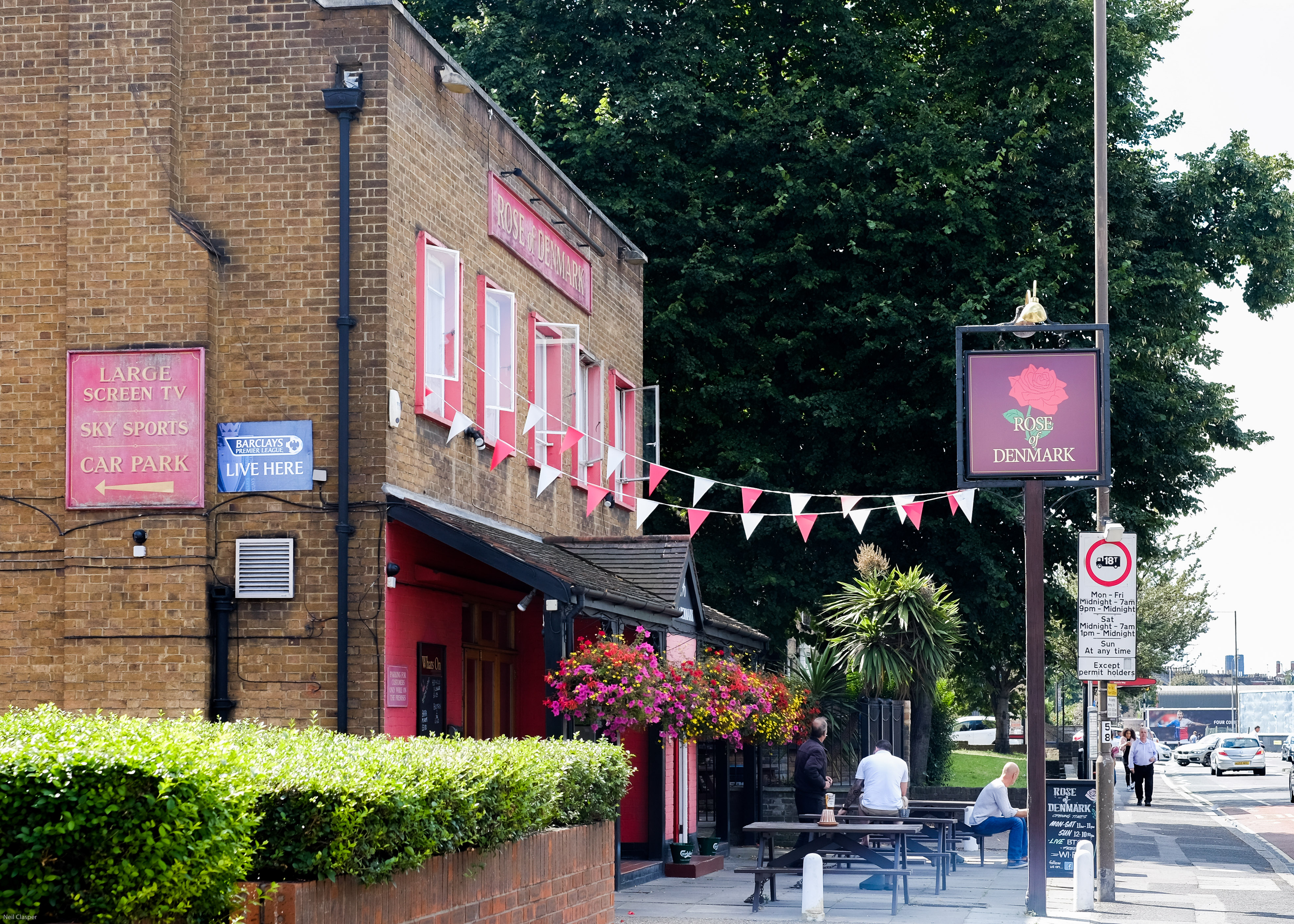
Could the Rose of Denmark pub be added to Greenwich Council’s Local Heritage List?
We’re grateful to Charlton Champion reader BECKY HOLMES for submitting this post on Greenwich Council’s consultation on the area’s historically interesting buildings.
It says: “The purpose of the local list is to identify buildings, structures and monuments of local architectural or historic importance and to preserve their features of interest as far as possible.”
Interestingly, it’s the first time the council has received nominations from community groups and individuals, while be be considered alongside its own proposals. The Lee Forum and Positive Plumstead Project groups have both contributed.
Nominations include an eclectic compilation of buildings, details and structures – from bridges to pubs, to railway stations and lighthouses. “Local heritage listing is a way for local communities to identify and celebrate historic buildings which enrich and enliven their area.”
I found out about the heritage listing by chance, after getting in touch with the conservation team on the Charlton Riverside Heritage Consultation. It felt like the conservation effort should cross Woolwich Road and by a bit of luck this opportunity came up.
‘An underdog at risk of losing its identity’
I haven’t lived in the area for long but I already feel really protective over it – slightly unloved and riddled with traffic pollution, but with an amazing industrial heritage and lots of interesting details. It’s an underdog at risk of losing its identity due to over-development.
A few favourite local nominations include the Angerstein freight railway crossing and alley by Fairthorn Road – built in the 1850s by local landowner John Julius Angerstein so workers could better access Combe Farm, which sat at the bottom of Westcombe Hill (Angerstein’s collection of paintings funded the National Gallery). Locals still cross here everyday.
It’s modest and unpretentious and that’s why it suits the area so well – like something out of a Famous Five novel. It’s a breath of fresh air next to the concrete traffic jams of the A2. Despite walking through the dim alley at dusk, hoping that the person behind is a friendly commuter and not an axe murderer, I’d hate to lose it.
Similarly, the strip of old factory walls and old doors on Ramac Way have a time-worn feel to them. As the last factory walls standing, they feel like a poignant reminder of the need to preserve local industrial heritage and that this area hasn’t always been a place to buy stuff but a place where we made stuff – useful stuff! Transatlantic electrical cables, shipping propellors, batteries, Bakelite telephones as well as Airfix kits, the stuff of childhood dreams.
The Rose of Denmark pub also feels like an unsung hero. Its post-war styling is very evocative of the area and style of the old Valley ground.
This slideshow requires JavaScript.
Characterful heritage buildings are at risk with all the new development – nowhere feels safe from redevelopment! Hopefully by adding more heritage spots, more people will appreciate the history of the area – and it might help encourage sympathetic development in the months and years to come.
Comments on the architectural, historic and environmental merits of nominations should be given by email or post, by 5pm on 30 October 2018.
By email: planning.policy[at]royalgreenwich.gov.uk
By post: Royal Borough of Greenwich, Planning Policy Team, 5th Floor, The Woolwich Centre, 35 Wellington Street, London, SE18 6HQ
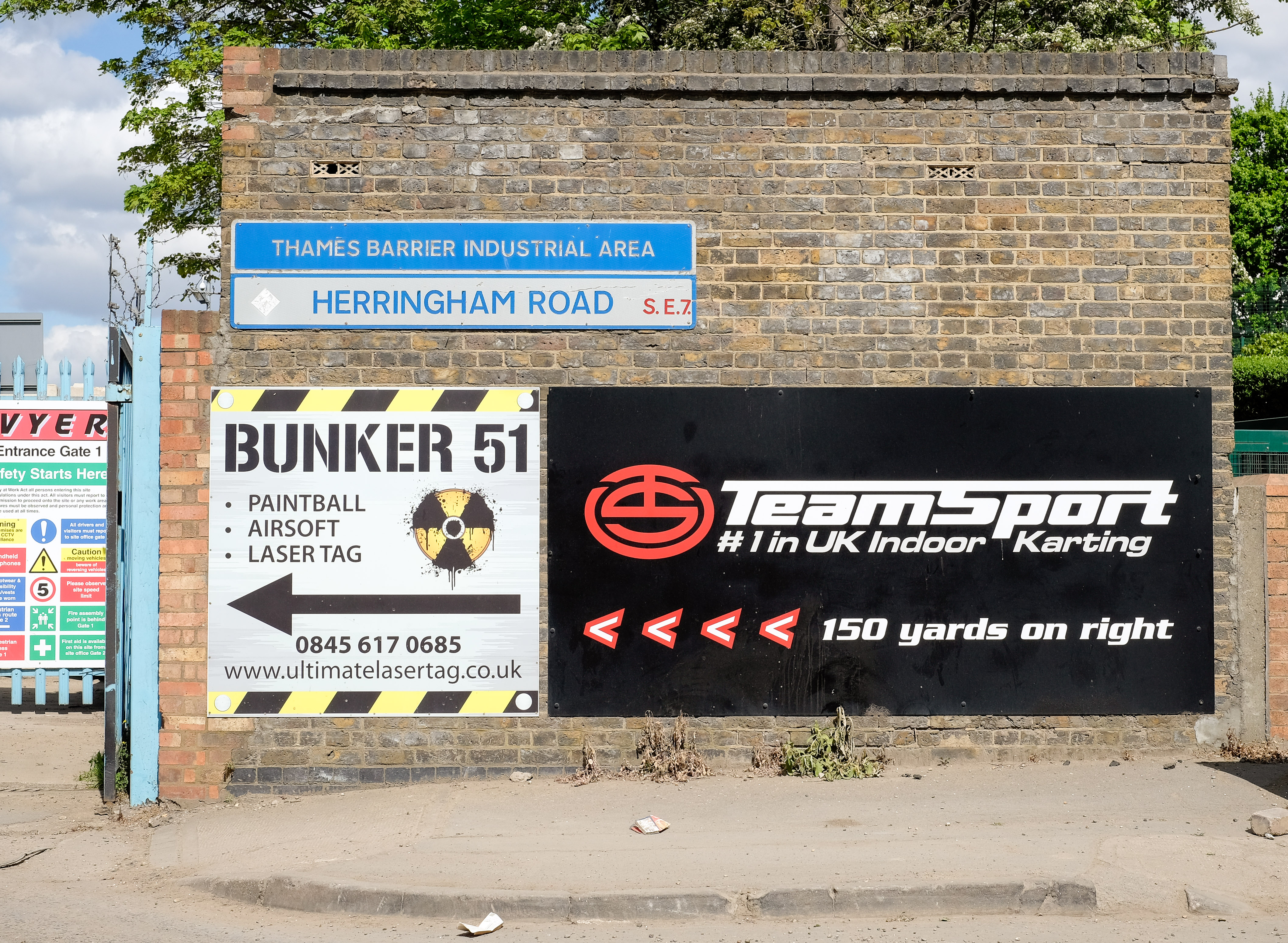
The Charlton Riverside area is set to undergo a dramatic transformation in the coming years, which will see it turn from a historically industrial area to a new residential district. Planning applications are starting to come in for new housing developments at Anchor & Hope Lane, Herringham Road and on the old Siemens factory site.
But we believe there’s something important missing from the story that’s been told to date, and that’s the people who live and work in the area now, and the changes that the new developments are bringing to their lives.
We’d like to help tell the stories of the people who live, work, run businesses, go to church, visit for leisure, or spend time in the Charlton Riverside area for whatever reason. This could be something as simple some photos of you, your community, your colleagues or business, or a longer interview with you about your life in the area.
We can’t do this alone, and are very keen to speak to anyone who would like to help with this project: individuals, residents’ associations, community groups, councillors, or other groups with an interest in the area.
If you’d like to get involved in any way, or have a story, photo or idea you’d like to contribute, we’d love to hear from you. Get in touch with The Charlton Champion here or simply email us at charltonchampion.se7[@]gmail.com.
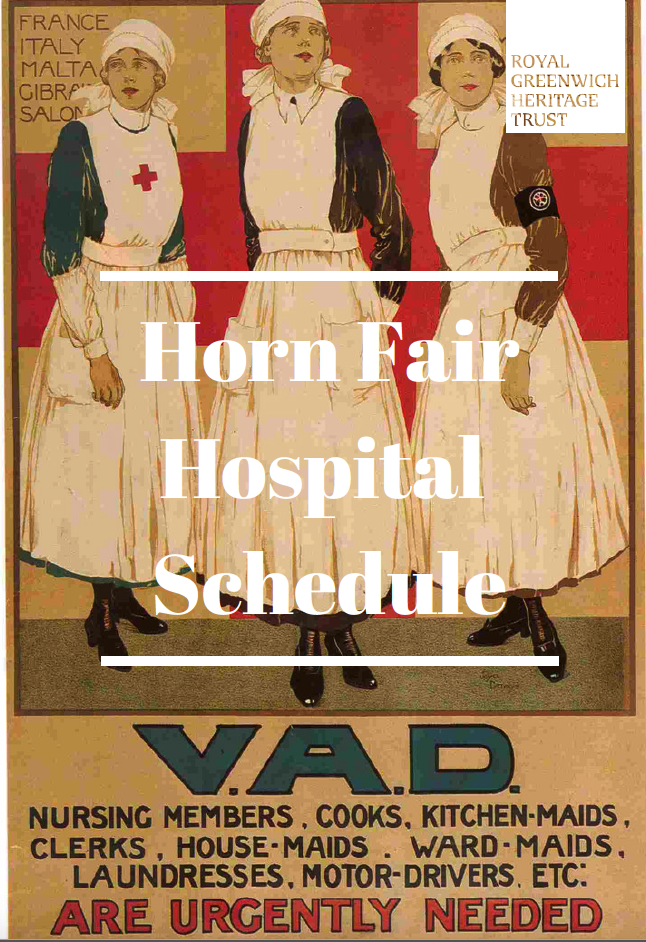
There’s a World War I flavour to this year’s Horn Fair, taking place this Sunday, 14th October, as Charlton House marks 100 years since it opened as a Voluntary Aid Detachment (VAD) Hospital in 1918.
As well as children’s activities themed around Charlton House’s role in the recuperation of WWI soldiers, there’ll be an opportunity to make Venetian masks, meet Charlton House’s beekeepers, plus a wide variety of food and market stall, music, and a range of talks. The Tea Rooms will be serving “some interesting recipes from World War I”.
Outside the house, there will also be an opportunity to see inside the Summer House, and from 12.30pm to visit St. Luke’s Church over the road.
The groups “want the space to be used more inclusively in the evenings, by all park users, be it dog walkers, joggers, gym users, and skatepark users“. The petition points out that there is floodlighting for the nearby football pitches, but the skate park won’t be usable in the evenings once the clocks go back.
Part of the frontage of Charlton Assembly Rooms (photo: Neil Clasper)
The Assembly Rooms in Charlton Village have been given a Grade II listing by Historic England in recognition of the building’s special architectural and historic interest.
Opened in 1881 and funded by Sir Spencer Maryon-Wilson, whose family lived at Charlton House, the building continues to function as a community facility and is currently run by the Royal Greenwich Heritage Trust.
It was used by Siemens for war production before being handed over to St Luke’s Church in 1946. But by the early 1970s, the building was under threat of demolition. It was saved by the Save Charlton Assembly Rooms Project, which handed the building to Greenwich Council in 1983.
Historic England says:
The Charlton Assembly Rooms, a community hall of 1881, designed by J Rowland in the Jacobean Revival style, is listed at Grade II for the following principal reasons:
Architectural interest:
* a good example of a late-C19 Jacobean Revival style community hall, designed in an exuberant, thoughtful and richly decorated form;
* good quality materials are used to strong architectural effect, including red brick, terracotta and stone detailing;
* the exterior of the hall is little altered, and the interior retains its original plan and stage.
Historical interest:
* the assembly rooms illustrate the continued influence of Charlton House and the Church of St Luke with Holy Trinity on the community of Charlton during the late-C19 and C20;
* as an example of Victorian philanthropy, and the impact of a wealthy benefactor on community hall design.
Group value:
* with the Grade I Charlton House, through their shared Jacobean design characteristics and mutual benefactor;
* with the Grade II* Church of St Luke with Holy Trinity, with which it shares some classically inspired design characteristics, and through C20 use and ownership.
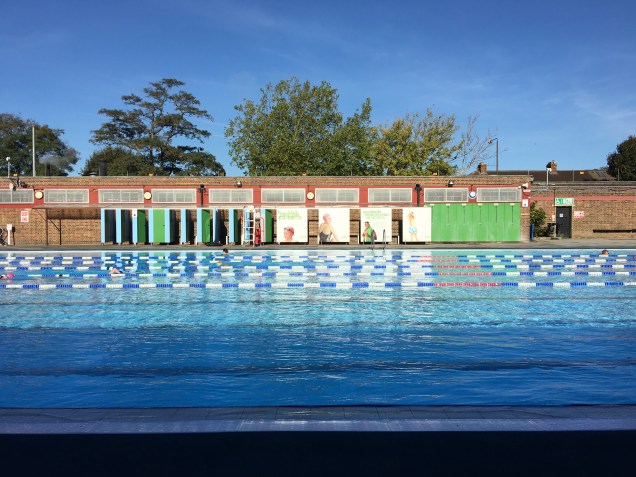
Charlton Lido in the late September sunshineIt’s officially autumn, despite the late burst of September sunshine, and autumn means three things for Charlton Lido swimmers: swimming in the dark on weeknight evenings (try it – I promise you it’s one of the very best things you can do in Charlton on a Monday night); the water temperature being noticeably higher than the air temperature making it easier to get in the pool and harder to get out; and – less positively – a reduction in pool opening hours.
Here’s how it’s looking for Autumn/Winter ’18:
Charlton Lido Winter Pool Timetable October 2018 to March 2019:
The popular Swim Doctor drop-in sessions will continue on Monday evenings and Friday mornings, with the current Wednesday morning session moving to Tuesday mornings.




 The Charlton Champion